 qerranews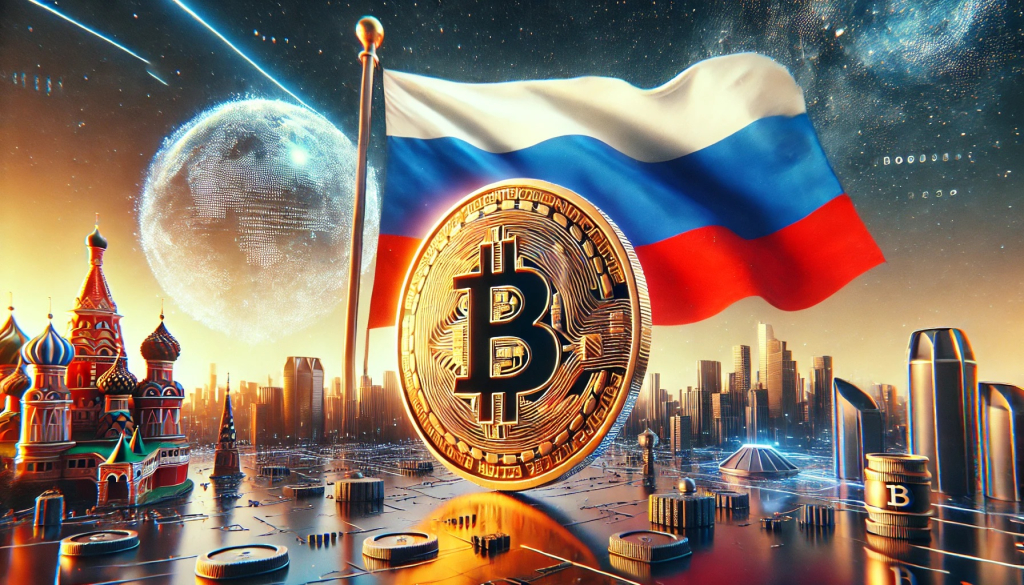
Russia Eyes Regulated Crypto Banking
Russia’s stance on cryptocurrency has been shifting rapidly, particularly as the nation seeks alternatives to bypass global sanctions and strengthen its domestic economy. The latest development comes from Evgeny Masharov, a member of the Russian Civic Chamber, who has suggested the establishment of a Russia crypto bank.
Masharov proposed that Russia should create its own crypto exchange, ideally through a major financial institution, to mirror the approach taken by Belarus. According to him, a crypto bank would address several pressing issues, including the legalization of shadow transactions, reduction of illicit financial activities, and an increase in state revenue through taxation.
Such a move would not only regulate the market but also provide greater security, tackling what Masharov describes as “channels for financing and recruiting citizens for serious crimes.” By integrating crypto operations into a state-supervised framework, Russia could potentially reshape its financial ecosystem.
Supporting Russia’s Growing Crypto Miners
A major focus of Masharov’s proposal is the crypto mining industry in Russia, which continues to grow despite regulatory restrictions. Mining remains one of the world’s most profitable industries for Russia due to its abundant energy resources. However, there is currently no proper infrastructure for miners to sell their mined crypto legally.
Masharov emphasized that a crypto-enabled bank would provide miners with an official channel to cash out their earnings while ensuring full compliance with state regulations.
Interestingly, Russia banned mining in 10 out of 46 regions starting January 1, 2025, for a period of six years, citing energy overconsumption concerns. Seasonal restrictions were also introduced in high-demand mining regions. Despite this, industry insiders like Vyacheslav Kopylov of Prostomining confirm that the sector remains vibrant, with more businesses actively engaging in mining showcased at the Russian Blockchain Forum.
The creation of a regulated crypto bank could therefore balance energy policy with the country’s economic ambitions, enabling miners to operate transparently without driving operations underground.
A Tool to Combat Fraud
Fraud and illicit crypto activities remain critical challenges in Russia. Currently, most crypto exchangers function outside strict regulatory oversight, allowing citizens to fund wallets with cash in exchange for digital assets, usually at high commissions.
Masharov insists that the crypto bank model could close loopholes by ensuring all settlements occur within regulated banking infrastructure. His idea involves limiting deposits to funds transferred through official bank accounts of Russian citizens, effectively reducing the risks of money laundering, tax evasion, and fraud.
In March, Masharov even floated the idea of a government-run crypto fund that would store assets confiscated during criminal proceedings, adding another layer of accountability and state benefit from the sector.
This approach not only positions Russia as proactive in combatting fraud but also strengthens its argument for adopting blockchain technologies while maintaining sovereign control.
Russia’s Crypto Future Outlook
Russia’s crypto market, despite its challenges, is witnessing robust growth. According to projections, total crypto revenue is expected to reach $2.3 billion in 2025 and soar to $3.9 billion by 2026. By the end of 2026, the number of crypto users in Russia is projected to exceed 44 million, out of the nation’s 143 million people.
The government’s softened stance on cryptocurrency is evident. While payments in crypto were banned in early 2022, Russia has since allowed financial institutions to offer crypto-based products to accredited investors and even floated the idea of a Ruble-pegged stablecoin in April 2025.
Introducing a Russia crypto bank could be the missing piece that brings regulation, trust, and innovation together. It could provide Russia with a way to combat fraud, support miners, grow the economy, and navigate the challenges of global sanctions.
If the proposal gains momentum, the establishment of a crypto bank may redefine how Russia interacts with global digital asset markets while strengthening domestic control.