 qerranews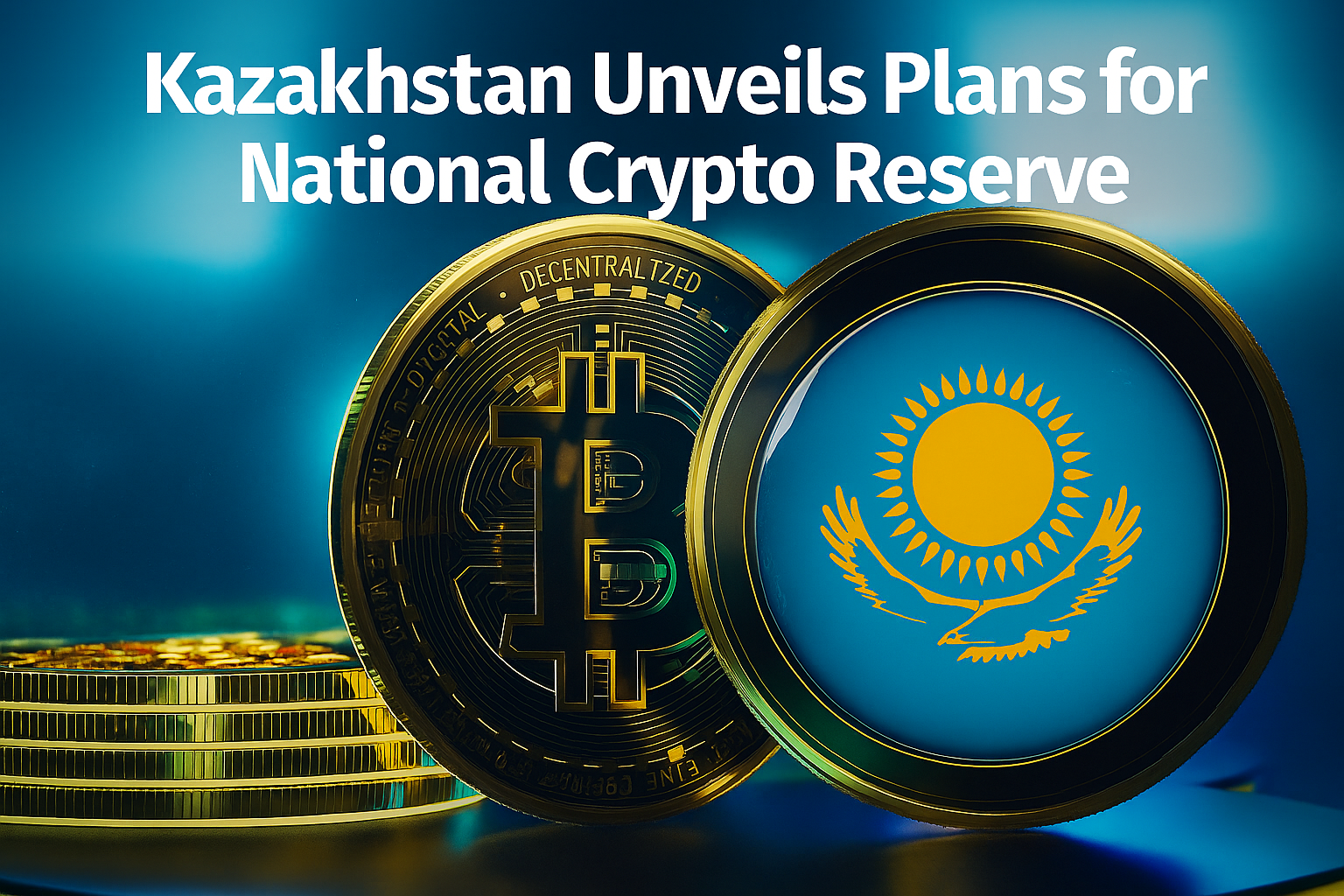
Kazakhstan’s Bold Crypto Reserve Vision
Kazakhstan has officially revealed its intention to establish a state-backed cryptocurrency reserve, a strategic move signaling its growing engagement with digital assets. The announcement, delivered by National Bank Chairman Timur Suleimenov, outlined plans to anchor this reserve within a bank-affiliated entity dedicated to alternative investments. However, the initiative remains contingent upon the successful development of a legal framework governing the reserve’s structure and management.
In response to a parliamentary inquiry, Suleimenov elaborated that the National Bank of Kazakhstan is currently drafting a comprehensive concept to form and manage the reserve. While still in its early stages, the initiative appears aligned with global trends where countries seek to harness crypto assets for national interest — either through central bank digital currency (CBDC) pilots or crypto reserves.
The vision isn’t simply theoretical. Kazakhstan has already been a regional leader in crypto mining, particularly following China’s mining crackdown in 2021, which led many miners to relocate operations to Kazakhstan due to its relatively low energy costs. Now, the country seems poised to leverage this infrastructure to build sovereign digital reserves.
Crypto Reserve Sources and Structure
One of the most noteworthy details revealed by Suleimenov is the potential funding sources for the reserve. Drawing from international practices, he pointed out two key mechanisms:
- Confiscated crypto assets: These would come from law enforcement operations targeting illicit crypto activity.
- Cryptocurrencies mined by the state: Particularly those produced by crypto mining companies partially owned or backed by the government.
This strategy mirrors actions taken by countries like the United States, which has auctioned off seized cryptocurrencies, and El Salvador, which actively accumulates Bitcoin through public reserves. Kazakhstan’s approach, however, emphasizes long-term holding rather than liquidation, positioning the reserve as a sovereign digital asset buffer.
The envisioned structure for the reserve would likely involve its incorporation into an existing financial institution focused on alternative investment classes. By operating through a bank-affiliated entity, Kazakhstan could enable smoother integration with traditional finance systems while maintaining operational oversight.
Legal Reforms Are Prerequisites
Despite the bold vision, Suleimenov was clear that legislative changes are a necessary precondition for launching the reserve. Kazakhstan’s current legal framework does not sufficiently define the storage, valuation, or utility of digital assets within state financial systems.
“Before this project moves forward, we must introduce amendments to the legislation that clearly define the legal status of the crypto reserve,” Suleimenov emphasized.
He also reiterated the National Bank’s willingness to collaborate with members of parliament to ensure the framework aligns with both domestic needs and international standards.
These legislative updates are part of a broader regulatory shift in Kazakhstan. In early June, Suleimenov announced efforts to amend laws governing digital asset circulation, underlining the urgency of establishing clearer guardrails for crypto-related activity. At the time, he also urged citizens to exercise caution when investing in cryptocurrencies, highlighting risks such as volatility, scams, and regulatory uncertainty.
Kazakhstan’s Crypto Strategy Evolves
Kazakhstan has been navigating a nuanced relationship with the crypto industry. On one hand, it has welcomed foreign crypto miners by offering competitive electricity prices and land access. On the other hand, the government has clamped down on unregistered or energy-intensive operations in an effort to protect its grid and increase transparency.
The announcement of a state crypto reserve is a natural extension of this evolving stance. It signals Kazakhstan’s intent to shift from merely hosting crypto activity to actively participating in the crypto economy at a sovereign level. If successfully implemented, this reserve could:
- Strengthen the country’s financial resilience
- Diversify its sovereign wealth
- Position Kazakhstan as a crypto-forward nation in Central Asia
- Improve transparency in state-owned crypto mining operations
It could also help the government gain more control over the domestic crypto ecosystem, enabling better tracking of asset flows and strengthening anti-money laundering (AML) enforcement.
Global Implications and Future Outlook
Kazakhstan’s proposal arrives at a time when crypto geopolitics is becoming increasingly important. Governments worldwide are rethinking their positions on cryptocurrencies — some pursuing bans, others like the UAE and Singapore offering regulatory clarity and integration pathways.
If Kazakhstan executes this crypto reserve plan successfully, it could become a model for other emerging markets looking to leverage blockchain infrastructure without rushing into central bank digital currencies. The public-private hybrid mining structure, where the state gains assets via partially-owned mining companies, could also be an innovative way to build reserves without direct asset purchases.
In the future, we might even see Kazakhstan incorporating these digital assets into cross-border trade, debt instruments, or even a sovereign digital fund for infrastructure development.
However, significant questions remain:
- Will the assets be held in Bitcoin, stablecoins, or a basket of tokens?
- Will the reserve be transparent and regularly audited?
- How will the government manage private key security and custodianship?
Only time will reveal the full scope of Kazakhstan’s crypto ambitions, but for now, the announcement places the country firmly on the global crypto governance map.