 qerranews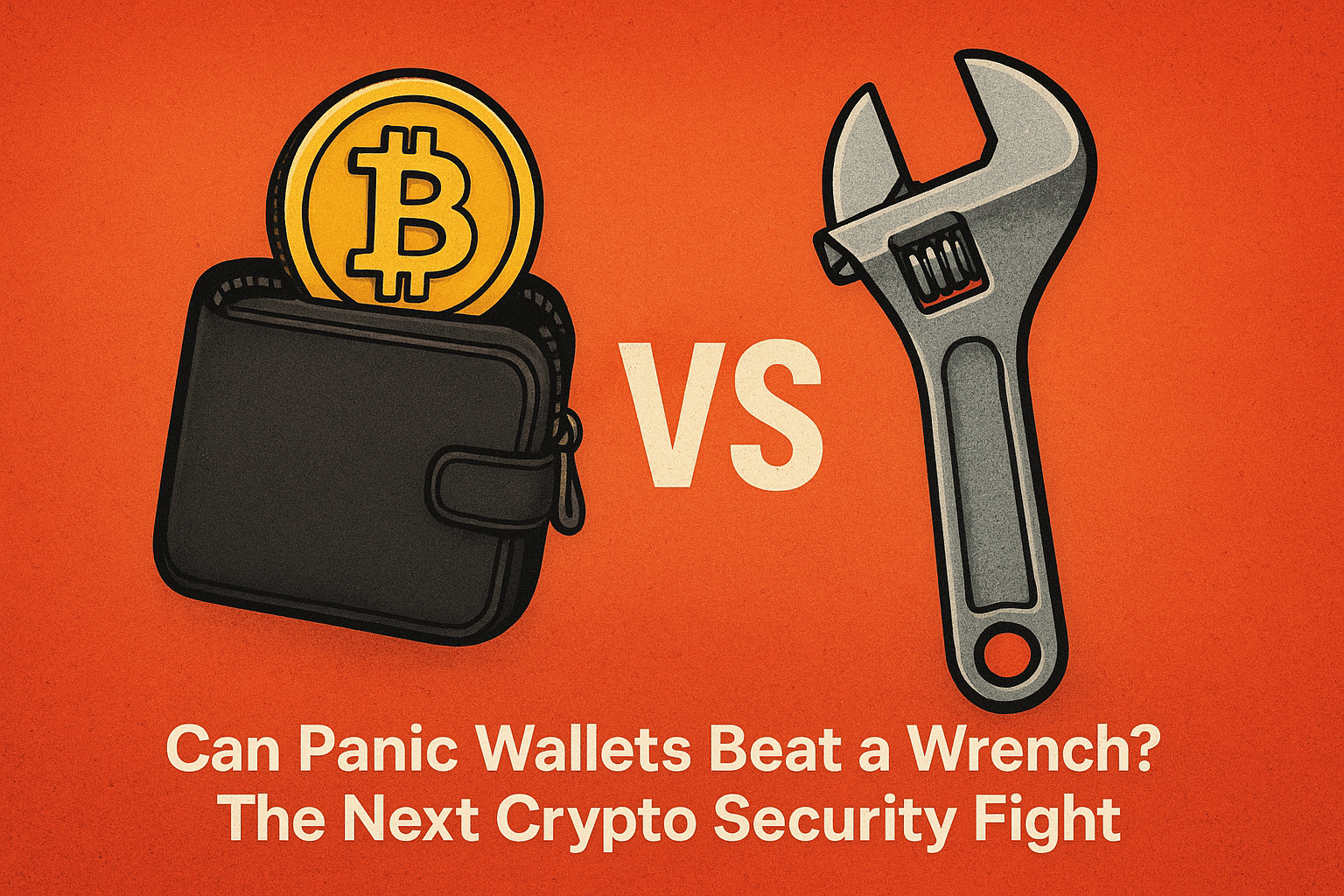
Jameson Lopp’s wrench-attack data paints a troubling picture: physical assaults on crypto holders are surging in 2025, forcing a hard conversation about whether self-custody still offers freedom—or just new forms of danger.
On December 1 in Val-d’Oise, France, the father of a Dubai-based crypto entrepreneur was kidnapped off the street, another entry in Lopp’s directory of more than 225 verified physical attacks on digital-asset holders. His database, maintained for six years, shows a 169% jump in reported physical attacks this year alone.
The underlying risk isn’t new. Gold dealers, cash couriers, luxury resellers—all have faced violence long before Bitcoin existed. But the twist is new: digital wealth is now being extracted through face-to-face coercion, not online hacks.
Rising Attack Trends
Lopp’s data shows that wrench attacks—physical coercion used to force crypto transfers—rise with market cycles. Bull runs, retail FOMO, and high-value OTC deals pull large crypto movements into public view, attracting criminals seeking high ROI.
The United States leads in absolute case numbers, but the per-capita risk is significantly higher in countries like the United Arab Emirates and Iceland.
Breakdown of Lopp’s findings:
- ~25% are home invasions, often enabled by leaked KYC data, public doxing, or address exposure.
- 23% involve kidnappings, often linked to high-net-worth crypto traders.
- Two-thirds of attacks succeed, confirming the wrench remains a far more effective tool than any exploit.
- ~60% of perpetrators are caught, suggesting police take these cases seriously—but usually after the damage is done.
Correlation with the Bitcoin (BTC) price chart further validates the trend: each mania brings new wealth and new criminals.
Panic Wallet Hopes
In response to rising threats, developers have been racing to design “panic wallets,” a new layer of crypto security intended to defeat coercion. These include:
- Duress triggers that wipe balances
- Hidden decoy wallets
- Silent distress signals via biometrics
- Gesture-based emergency resets
The concept sounds futuristic and elegant—until you add the wrench.
As Lopp told Cointelegraph, “Duress wallets rely on speculation about the attacker, and you can’t know their motivations or knowledge.”
His point is simple: If a criminal believes you have more crypto elsewhere, the duress feature may escalate violence, not prevent it.
Fear in the Data
Due to the rarity and secrecy of coercion attacks, evidence is thin. Lopp cites two examples:
- A victim tried a decoy wallet, but attackers didn’t buy it.
- Another complied immediately but was tortured anyway, because thieves assumed more reserves existed.
The lesson? A panic button can’t guarantee believable deception. Criminals often assume wealth is hidden deeper, no matter what screen you show them.
Builders Fighting Back
Matthew Jones, co-founder of Haven, learned that reality firsthand. During a 25 BTC trade in Amsterdam, his counterpart bolted into a waiting van. His photos helped Europol map the group, but no arrests followed.
Jones transformed the experience into a product: a biometric, multi-party crypto wallet built on continuous authentication without exposing identity.
Haven’s system has three core defenses:
- Live facial verification stored locally on the device
- Secondary approval from a trusted verifier for transactions above $1,000
- A 24-hour delay if the verifier contact is changed
This setup makes on-the-spot coercion nearly pointless—thieves cannot bypass the second key, even with violence.
Jones frames it simply: “It’s about deciding your risk tolerance and limiting how much can be taken at once.”
The Custody Dilemma
The rise in coercion—and tightening privacy regulations like the OECD’s Crypto-Asset Reporting Framework (CARF)—is driving even long-time Bitcoiners to rethink self-custody.
Some now prefer custodianship, reasoning that a centralized vault is safer than being a personal target.
Lopp calls that outcome catastrophic for Bitcoin philosophy:
“If enough people decide self-custody is too dangerous, centralization will create systemic risk.”
The paradox deepens:
- More KYC → more doxing vectors
- More biometrics → more identity exposure
- More off-chain services → larger attack surface
Security innovations may be helping, but they are also eroding the pseudonymity that once protected early Bitcoiners.
What Actually Works
For all the new tech—panic wallets, biometrics, duress modes—the most effective defense remains the least glamorous: operational discretion.
As Lopp advises,
“The best way to reduce wrench attack risk is simple: Don’t talk about Bitcoin with your real identity.”
Most attacks succeed not because the wallet is weak, but because the victim can be physically located. The fight for crypto security in 2025 may depend less on hardware innovation and more on cultural change:
- Avoid flaunting holdings
- Separate public identity from crypto activity
- Keep KYC exposure minimal
- Store large amounts in inaccessible cold storage
- Diversify custody locations
If the wrench attack era proves anything, it’s that privacy, not panic wallets, remains the strongest shield.