 qerranews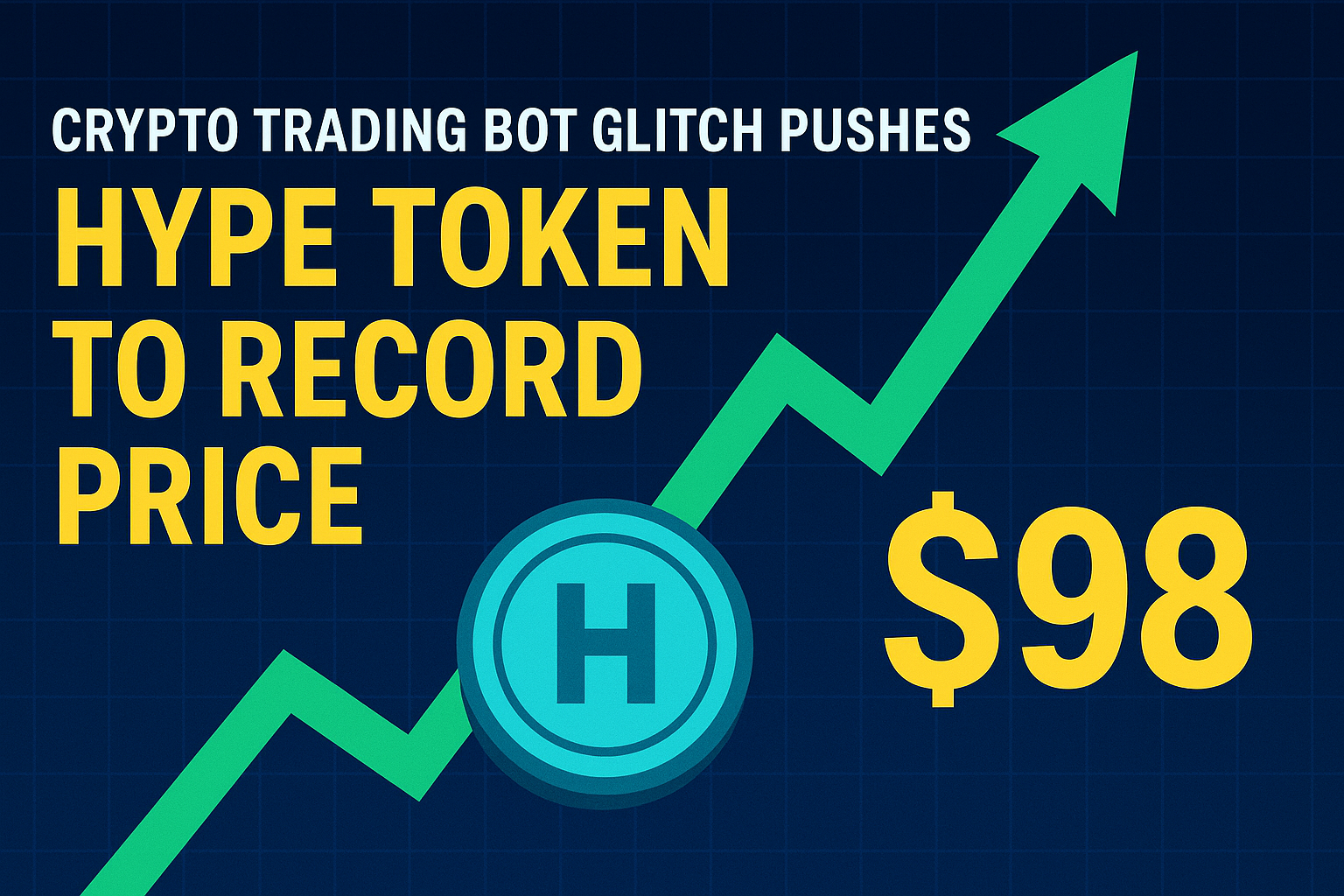
Bot Error Sends HYPE Token Soaring to $98
In a surprising twist, Hyperliquid’s HYPE token briefly soared to $98 on rival decentralized exchange (DEX) Lighter, far above its global trading price. The sudden and sharp surge, initially mistaken for whale activity, was later traced back to a trading bot glitch that aggressively pushed buy orders through the order book on low liquidity.
The glitch created an artificial price spike that rippled across the crypto community, drawing attention from traders and analysts alike. Lighter later clarified that the surge had nothing to do with market manipulation or large buyers, but rather stemmed from an automated trading malfunction that distorted normal trading behavior.
Lighter Exchange Responds to Glitch and Chart Distortion
According to Lighter’s official statement on X (formerly Twitter), the bot error triggered rapid buys that consumed available liquidity, leading to an exaggerated price jump on the HYPE token pair. Although such a spike might usually trigger liquidations or cascading effects in a leveraged market, Lighter confirmed there were no forced liquidations or user losses from the incident.
However, the bot-induced volatility distorted the DEX’s price charts, displaying unrealistic candles that made trading data unreliable. To maintain clarity for traders, Lighter removed the affected price data from its front-end interface. This move ensured that users saw a more accurate representation of current trading conditions without misleading visuals.
Still, Lighter emphasized that on-chain data remains immutable and transparent, meaning anyone can verify the spike on blockchain explorers. The DEX simply chose not to display it on its main UI to prevent confusion among traders.
“While on-chain data is forever, how it’s displayed on the interface can be optimized for usability,” Lighter stated.
Balancing Transparency and User Experience on DEXs
The HYPE token glitch underscores one of the key challenges decentralized exchanges face — finding the right balance between transparency and usability. By design, DEXs rely on immutable blockchain data, which ensures openness and accountability. However, when extreme market anomalies occur, that very transparency can create confusion or distortions in the user interface.
Lighter defended its decision by noting that other front ends built on its protocol could still choose to display the raw price data. This flexible model reflects the decentralized nature of the ecosystem, where data is open, but presentation can vary depending on platform design choices.
Still, the incident reveals a deeper issue in the world of decentralized finance (DeFi): thin liquidity pools and algorithmic trading errors can have outsized effects on token prices, especially for emerging assets like HYPE. Automated systems, while efficient, remain vulnerable to misconfigurations that can trigger unexpected volatility.
Critics Question Data Removal and Liquidity Health
Not everyone in the crypto space agreed with Lighter’s approach to managing the glitch. Crypto analyst Duo Nine criticized the platform’s decision to hide the erroneous data, arguing that masking the spike could reduce trust among users and divert attention from underlying liquidity problems.
“You should simply admit that your order books are illiquid rather than censoring them to hide the issue,” Duo Nine said. “By doing this, you’re essentially deceiving your users. What happens the next time users face liquidation?”
This comment reflects a growing debate about how decentralized exchanges should handle data anomalies. Should platforms filter out technical glitches for a cleaner experience, or display everything as-is in the name of full transparency? There is no clear consensus — but incidents like this push the industry toward establishing better standards for data integrity and presentation.
Final Thoughts
The brief yet dramatic HYPE token surge to $98 serves as a reminder that even in decentralized systems, automation is only as reliable as its code. While Lighter’s response focused on protecting user experience, the criticism highlights a larger tension in the DeFi landscape — between openness, usability, and technical robustness.
As decentralized exchanges continue to evolve, maintaining both transparency and trust will be crucial. The HYPE token glitch may have been just a temporary anomaly, but it offers a valuable case study in how trading algorithms, front-end design, and liquidity structures intersect in the rapidly maturing crypto ecosystem.