 qerranews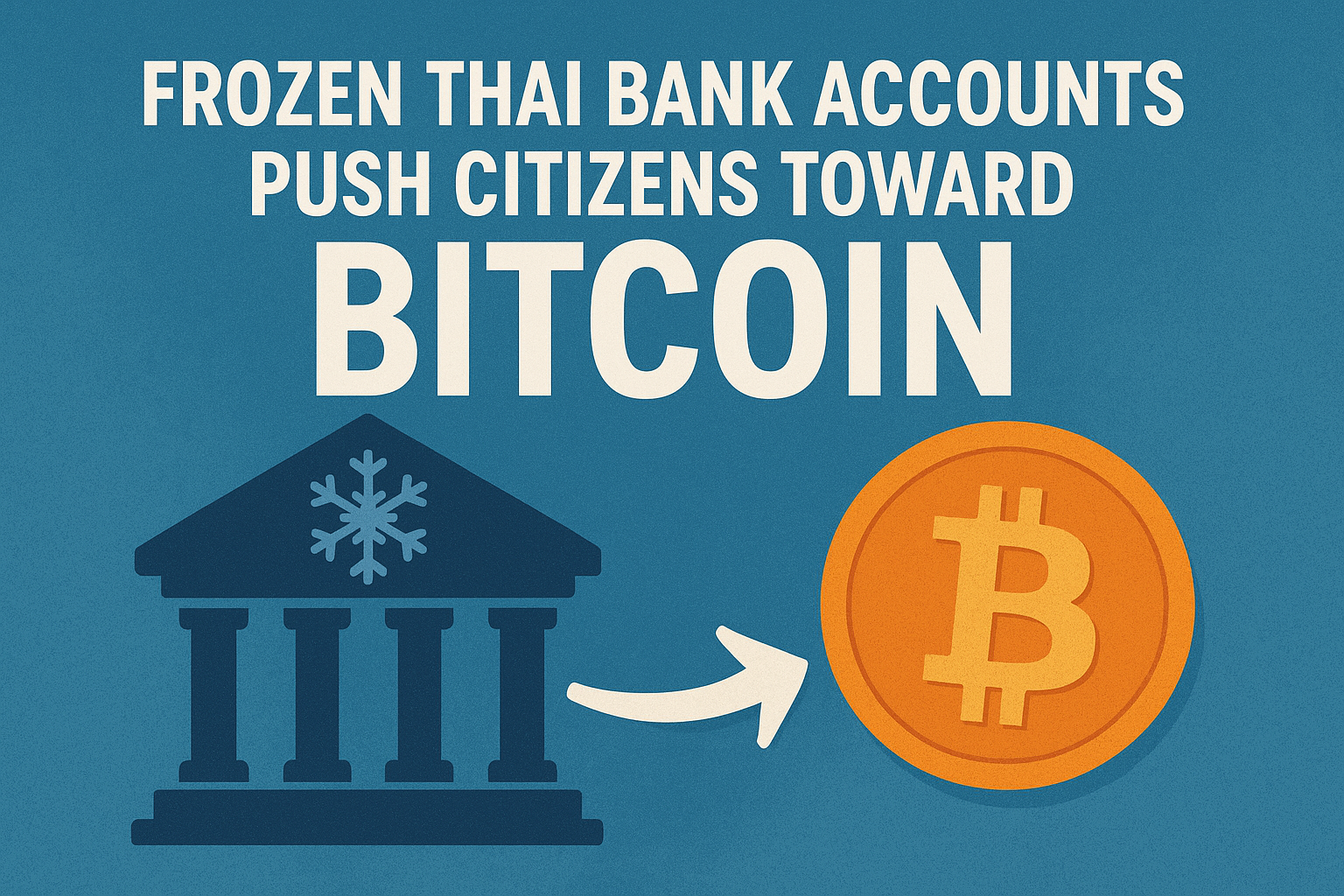
Millions of Thai Accounts Frozen
Thailand’s financial system has been thrown into turmoil after reports emerged of three million frozen bank accounts as part of an anti-scam crackdown. While the government and central bank insist these measures are temporary, the sheer scale has left citizens and expatriates questioning the reliability of the banking system.
The crackdown began in August, when authorities moved to curb fraudulent call center networks and money-laundering operations involving “mule accounts.” These are accounts often used to funnel illicit money disguised as legitimate transfers. However, the blanket freeze has also affected innocent online merchants, vendors, and residents who suddenly find themselves locked out of their funds.
According to the Cyber Crime Investigation Bureau (CCIB), scammers are adopting new laundering methods, which has prompted banks to err on the side of caution—sometimes wrongly. This has raised concerns over whether ordinary people are becoming collateral damage in Thailand’s fight against fraud.
Bank of Thailand officials stated that customers should not panic, assuring that suspensions are temporary and lifted once checks are complete. Still, the fear of losing access to savings has already spread among locals and expats, eroding confidence in traditional banking safeguards.
Foreigners Face Banking Nightmares
Thailand has long been home to a large expatriate community, but foreigners are now finding themselves disproportionately affected by the crackdown. Social media platforms and online forums are filling with complaints from expats who have been debanked without explanation or seen their accounts restricted for weeks.
Several banks have tightened their Know Your Customer (KYC) requirements. Foreigners are now required to register biometrics in person and provide additional documents before making larger transactions through mobile apps. For many, this process has created weeks-long delays in accessing their own funds, with little recourse for immediate resolution.
The stricter oversight comes amid international cooperation with Japan and India, as Thai authorities expand operations to dismantle call center syndicates, many of which are based in neighboring countries. While the intent may be to prevent fraud, everyday users—particularly foreign residents—are feeling the brunt of the policy.
For expatriates, whose lives and businesses depend on cross-border transfers, the freeze has become more than an inconvenience—it has triggered discussions about alternative financial systems like Bitcoin.
Bitcoin Seen as a Lifeline
As Thailand grapples with financial freezes, Bitcoin advocates see a silver lining: this crisis highlights the risks of centralized banking.
Crypto and technology investor Daniel Batten sarcastically thanked the Bank of Thailand, saying, “Thank you, BoT, for the free Bitcoin marketing.” Similarly, Jimmy Kostro from the Thailand Bitcoin Learning Center praised Bitcoin as a safeguard, calling the bank freezes a stark reminder of why decentralized money matters.
Bitcoin offers citizens a borderless and censorship-resistant alternative to traditional finance. Unlike bank accounts that can be frozen at a moment’s notice, Bitcoin wallets are controlled entirely by their owners. Transactions cannot be arbitrarily suspended by central banks or authorities.
However, there’s a catch. Despite Thailand’s large crypto trading community, the Bank of Thailand prohibits the use of digital currencies for payments. This means that while residents can hold and trade Bitcoin, they cannot legally use it for everyday purchases like groceries or rent.
Still, the current banking restrictions may accelerate Bitcoin adoption in Thailand. Many see it as a long-term hedge against financial uncertainty, even if its immediate use as a payment method remains restricted.
Central Bank Considers Alternatives
Facing mounting criticism, the Bank of Thailand and CCIB have acknowledged the unintended consequences of the crackdown. Authorities have reportedly held discussions on creating a workaround that protects innocent account holders while still targeting fraudulent activity.
As part of its measures, the central bank introduced daily transfer limits of 50,000 baht ($1,570) in August to deter scammers. But this cap has created serious difficulties for merchants and businesses that rely on larger daily transactions.
Some vendors have stopped accepting QR code payments, fearing that their accounts could be suspended at any time. Others have preemptively withdrawn funds, concerned about further freezes.
The situation highlights the fragility of financial trust in Thailand’s traditional banking sector. Citizens are questioning whether the system is truly serving their needs—or simply prioritizing government enforcement at their expense.
The Road Ahead for Thailand
Thailand now faces a crucial moment in its financial history. On one hand, the crackdown on fraud is necessary to protect citizens from organized crime syndicates exploiting mule accounts. On the other hand, the mass freezing of accounts has revealed the vulnerabilities of a centralized system that can leave millions stranded without notice.
Bitcoin, while not yet legally accepted for payments in Thailand, is gaining traction as a symbol of financial freedom. For both locals and foreigners caught in this crisis, the idea of a decentralized and censorship-resistant currency is more appealing than ever.
If the Thai central bank does not introduce more nuanced policies, citizens may continue to turn toward Bitcoin—not just as an investment, but as a backup financial safety net.
For now, Thailand’s banking sector remains under pressure to balance fraud prevention with financial accessibility. The choices made in the coming months may determine whether the country strengthens its trust in banks—or accelerates toward greater Bitcoin adoption.