 qerranews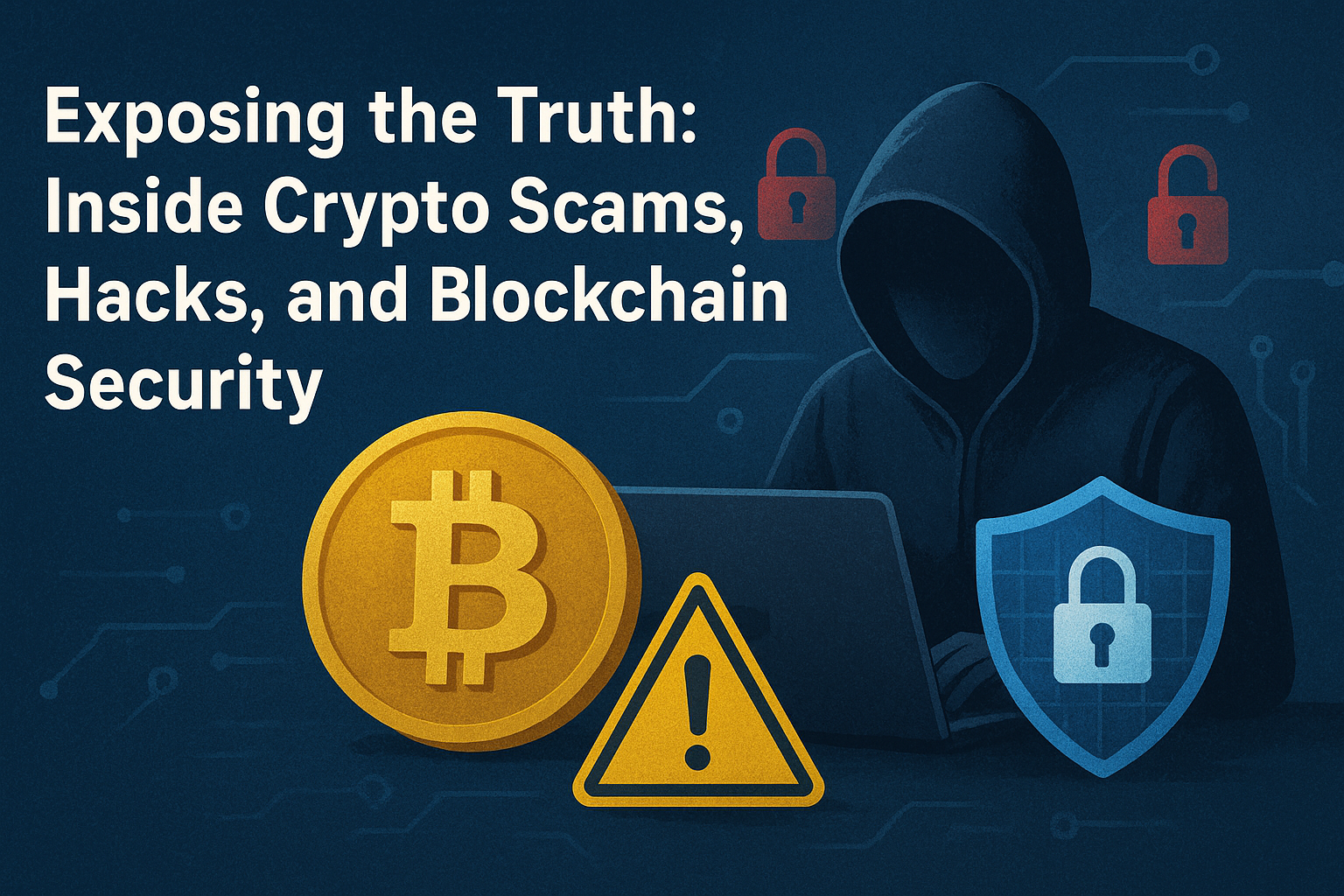
Crypto Crime Reality Versus Headlines
In the world of digital assets, mainstream news often paints cryptocurrency with broad strokes of fraud, scams, and hacks. Headlines highlight the latest breaches or losses, leaving many with the impression that the industry is overrun by criminals. However, reality paints a far more balanced picture.
According to Ari Redbord, global head of policy at TRM Labs and a former U.S. federal prosecutor, the data tells a different story. Speaking on the Clear Crypto Podcast hosted by Nathan, Redbord explained:
“We’ve seen about $50 billion in scams and fraud over the last two years, but illicit activity still makes up only around 1% of all crypto transactions. That means 99% of crypto activity is lawful.”
This stark contrast between perception and reality highlights how crypto scams and hacks, while significant, represent only a fraction of blockchain activity. Much like the early days of the internet, opportunistic actors exploit innovation, but they do not define the ecosystem.
For Redbord, the explanation is simple: “Bad actors are always early adopters of transformative technology.” Just as email was once a tool for both global communication and spam fraud, cryptocurrency represents both opportunity and risk.
Blockchain Transparency Strengthens Security
One of the most misunderstood aspects of blockchain technology is that, unlike cash or traditional financial systems, cryptocurrency transactions are fully traceable. Every transfer leaves an immutable record on a public ledger, visible to anyone with the right tools.
Redbord emphasized that this transparency flips the script on crime:
“Every transaction is traceable, trackable, and immutable. That means compliance and investigations are better than they’ve ever been before.”
Law enforcement agencies, compliance professionals, and blockchain analytics firms like TRM Labs now use these tools to track illicit flows of digital assets across borders. Ironically, the very openness of blockchain gives investigators an advantage they rarely enjoy with traditional money laundering or offshore banking.
As a result, cases of high-profile hacks and crypto fraud are increasingly being solved. Whether it’s ransomware payments traced back to operators or stolen tokens frozen on exchanges, blockchain’s architecture gives defenders new leverage in the fight against crime.
This reality undermines one of the most persistent myths: that crypto is a “Wild West” where criminals operate with impunity. In fact, blockchain security is evolving faster than most financial systems, turning transparency into one of the industry’s strongest defenses.
Privacy, Security, and Innovation Together
The podcast also addressed one of the biggest debates in digital assets: how to balance privacy and security. On one hand, users need privacy for lawful financial activities. On the other, regulators and security experts must prevent bad actors from exploiting the system.
Emerging technologies offer solutions. Redbord highlighted zero-knowledge proofs (zk-proofs), privacy pools, and decentralized digital identity systems as key innovations bridging this gap.
Zk-proofs allow users to prove the validity of a transaction or identity without revealing sensitive details. This means:
- Lawful users maintain privacy.
- Bad actors, like North Korean hackers, face restrictions and increased detection.
In Redbord’s words, these breakthroughs “thread the needle” between two priorities: preserving individual freedoms and securing the ecosystem.
This dual innovation—where privacy and compliance can coexist—marks a turning point in the evolution of blockchain technology. Instead of viewing privacy as a threat, the industry is embracing it as a path to stronger, safer digital assets.
Building Confidence in Crypto’s Future
Despite constant media stories about crypto scams and hacks, Redbord insists the bigger story is one of progress and resilience. He attributes his optimism to the people working daily in the space:
“What keeps me positive is the community—compliance professionals, law enforcement, and builders—working to make the industry safer.”
This sentiment echoes across the crypto industry. Behind the headlines of billion-dollar losses are thousands of innovators building safer platforms, stronger security frameworks, and smarter regulation. Each step forward in blockchain security adds to long-term trust and adoption.
Moreover, blockchain’s role in global finance is only growing. From cross-border payments to decentralized finance (DeFi), the technology is expanding financial access and resilience worldwide. And with regulators, policymakers, and developers increasingly collaborating, the ecosystem is more prepared than ever to withstand threats.
Ultimately, crypto’s journey mirrors that of other groundbreaking technologies. Just as the internet weathered years of fraud, malware, and mistrust before becoming indispensable, blockchain is following a similar trajectory.
The Clear Crypto Podcast reminds us that while challenges exist, they do not overshadow the promise of cryptocurrency: a faster, more transparent, and more inclusive financial system.
Conclusion: Beyond the Fear and Hype
The truth about crypto crime is more nuanced than headlines suggest. Yes, crypto scams and hacks occur, and billions have been stolen. But they represent only a sliver of blockchain activity. The overwhelming majority of transactions are lawful, innovative, and part of a growing global movement toward financial freedom.
Blockchain transparency gives investigators unprecedented tools, while innovations like zero-knowledge proofs protect privacy without compromising security. And behind the technology is a vibrant community working to ensure that cryptocurrency reaches its full potential.
In short, crypto crime is real—but it’s not the whole story. The bigger picture is one of innovation, accountability, and a future where blockchain security becomes a model for financial systems worldwide.
For those who want to dig deeper, listen to the full episode of the Clear Crypto Podcast on Cointelegraph’s Podcasts page, Apple Podcasts, or Spotify.