 qerranews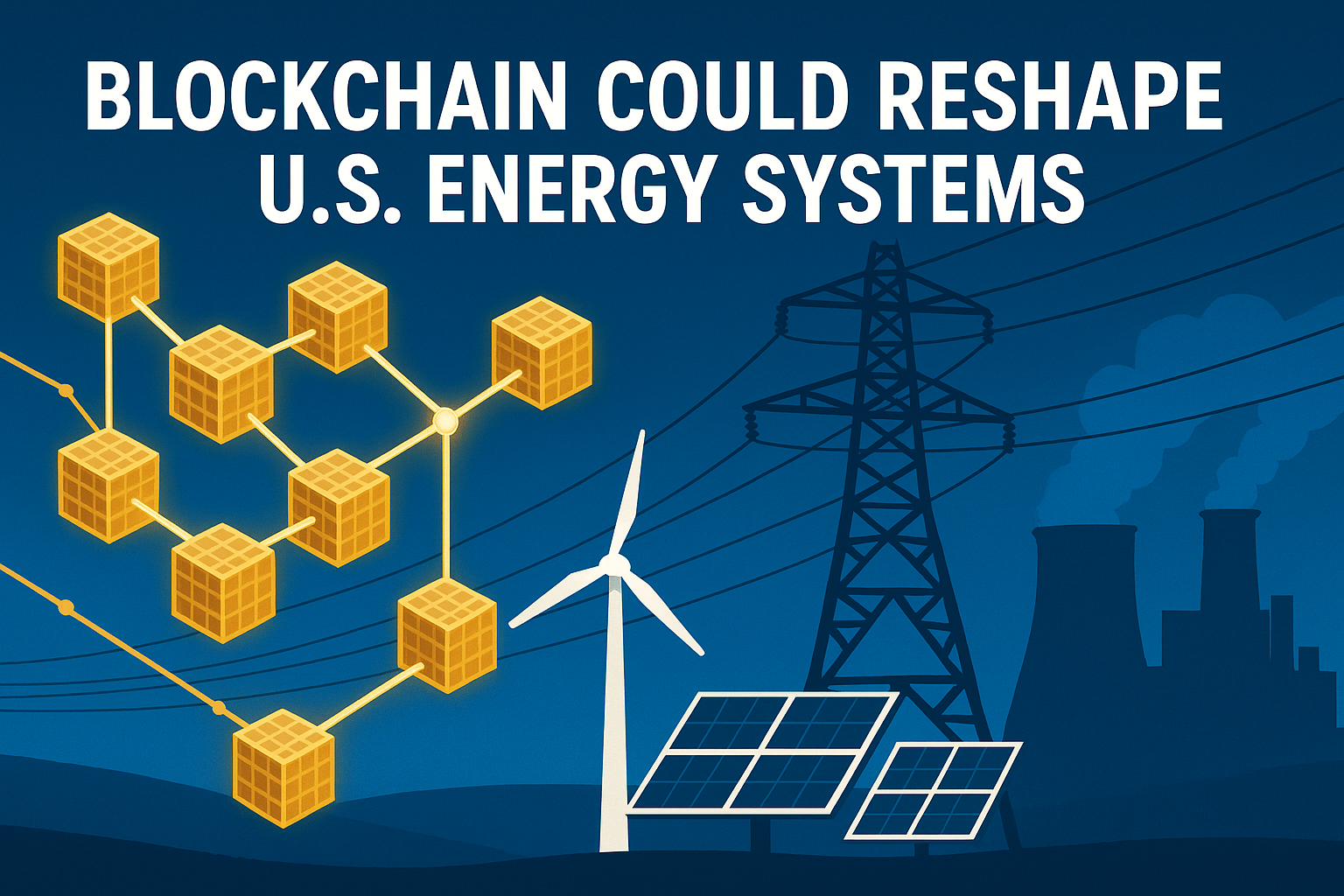
Upgrading Grid for AI Era
The U.S. electric grid, one of the most complex machines ever built, is under growing pressure. President Donald Trump’s administration has identified a resilient, modernized grid as a vital part of America’s AI-driven future. As AI data centers, crypto mining operations, and other high-performance computing applications grow rapidly, the demand for reliable and abundant energy has surged.
In a recent White House report outlining its AI Action Plan, the administration emphasized that a high-performing energy infrastructure is essential. “The U.S. electric grid is one of the largest and most complex machines on Earth. It, too, will need to be upgraded to support data centers and other energy-intensive industries of the future,” the report noted.
To meet this demand, Trump has proposed an aggressive approach that includes exploring nuclear power, shielding grid components from electromagnetic disruptions, and building out redundancy across critical systems. But while the federal government focuses on macro-level solutions, emerging technologies like blockchain could offer a powerful tool for driving bottom-up energy resilience—especially by decentralizing how energy is generated, stored, and distributed.
Blockchain Aligns Incentives Locally
Cosmo Jiang, General Partner at Pantera Capital, argues that blockchain technology can play a pivotal role in reshaping the U.S. energy system by aligning incentives in a way that central institutions often cannot.
According to Jiang, blockchain protocols can leverage human labor, local infrastructure, and stranded energy resources by coordinating them through transparent, token-based incentives. This method mirrors how gig economy platforms have enabled people to monetize their time and assets—think Uber, Airbnb, and TaskRabbit—but applies that logic to the energy market.
“There are a few protocols that specialize in using token incentives to encourage everyday people to install solar panels on their roofs or install batteries in their homes,” Jiang said. “And that way, you create this energy grid that isn’t centralized and deployed through heavy capital expenditure.”
This shift from large, centralized utilities to a distributed network of micro-generators and home storage systems reduces reliance on single points of failure and makes the grid more robust against shocks.
Energy Security Through Decentralization
Decentralized energy networks powered by blockchain technologies bring several advantages in the context of national energy security and AI-readiness:
- Improved Resilience: By distributing energy production and storage, local outages don’t cripple the entire system. Token-based networks can incentivize communities to maintain their own power buffers and backups.
- Increased Participation: Homeowners, small businesses, and communities can all become “prosumers”—both producers and consumers of energy—while earning rewards for their contributions to the grid.
- Cost Efficiency: Blockchain minimizes the need for costly intermediaries. Smart contracts can handle energy billing, tracking, and settlements autonomously and transparently.
- Regulatory Bypass: Decentralization can reduce the friction of bureaucracy. “Cutting through regulatory red tape” is one of the three pillars of Trump’s “America’s AI Action Plan,” and blockchain can support this by allowing innovation to flourish outside of traditional constraints.
- Real-Time Grid Management: With blockchain-led token economies, the grid can react dynamically to changes in demand and supply. For example, users may get incentivized to reduce usage during peak hours or release stored energy back to the grid when needed.
Jiang emphasized that this approach fundamentally changes how energy infrastructure is funded. “You’re using economic incentives to unlock capital and deploy energy resources in a distributed manner, instead of having to go raise billions to build new power plants,” he noted.
Trump’s Focus on Grid Uptime
President Trump has positioned energy independence and resilience as core pillars of his second-term agenda. His administration’s plan includes:
- Nuclear Energy Investment: Trump supports developing small modular reactors (SMRs) to ensure constant energy supply without the geographic and geopolitical limitations of fossil fuels.
- Electromagnetic Defense: Shielding grid infrastructure from EMPs (electromagnetic pulses) has been marked as a national defense priority.
- Redundant Systems Mandate: The White House energy policy aims to ensure that power generation and distribution systems always have fail-safe backups in place. This includes everything from solar farms to battery banks.
These objectives align well with decentralized, blockchain-driven energy networks. Redundancy doesn’t need to come only from large government-led infrastructure projects—it can be built from the bottom up through community participation. Blockchain can ensure that decentralized systems aren’t just scattered but are intelligently connected and properly rewarded.
In that sense, blockchain is more than just a financial innovation; it’s an infrastructure enabler that complements national policy. It introduces trustless systems where participation doesn’t depend on central verification, allowing more actors—including private citizens—to take part in the energy revolution.
Blockchain Beyond the Buzzwords
For all its promise, blockchain’s role in the energy sector is still emerging. Several projects are pioneering this space, including:
- Power Ledger (Australia): Enables peer-to-peer energy trading via blockchain.
- GridPlus (USA): Aims to reduce consumer electricity costs by cutting out retail energy providers using blockchain smart contracts.
- Sun Exchange (South Africa): Allows anyone globally to buy solar panels and lease them to schools and businesses in sunny regions.
These projects highlight blockchain’s utility in actual deployment scenarios. If scaled appropriately across the U.S., such systems could fulfill the twin national goals of increasing energy availability and minimizing systemic vulnerabilities.
Cosmo Jiang believes it’s a matter of political will and social coordination. “It’s not just about the technology anymore—it’s about who’s willing to shift the narrative,” he said.
With bipartisan support for grid modernization and the growing pressure of energy demands from AI and computing industries, blockchain could find itself in the center of America’s energy transformation.
Conclusion
As the Trump administration pushes forward its AI strategy, the importance of modernizing the U.S. energy grid becomes paramount. Blockchain offers a powerful means of enabling decentralized, citizen-powered energy systems that align well with national goals around resiliency, uptime, and innovation.
From incentivizing rooftop solar panels to creating peer-to-peer energy marketplaces, blockchain technologies could serve as a foundation for an energy system that is not only modern and intelligent but also secure and resilient in the face of growing computational demand.
The future of energy may not lie in a single megaproject—but in millions of small nodes, connected and empowered by the blockchain.