 qerranews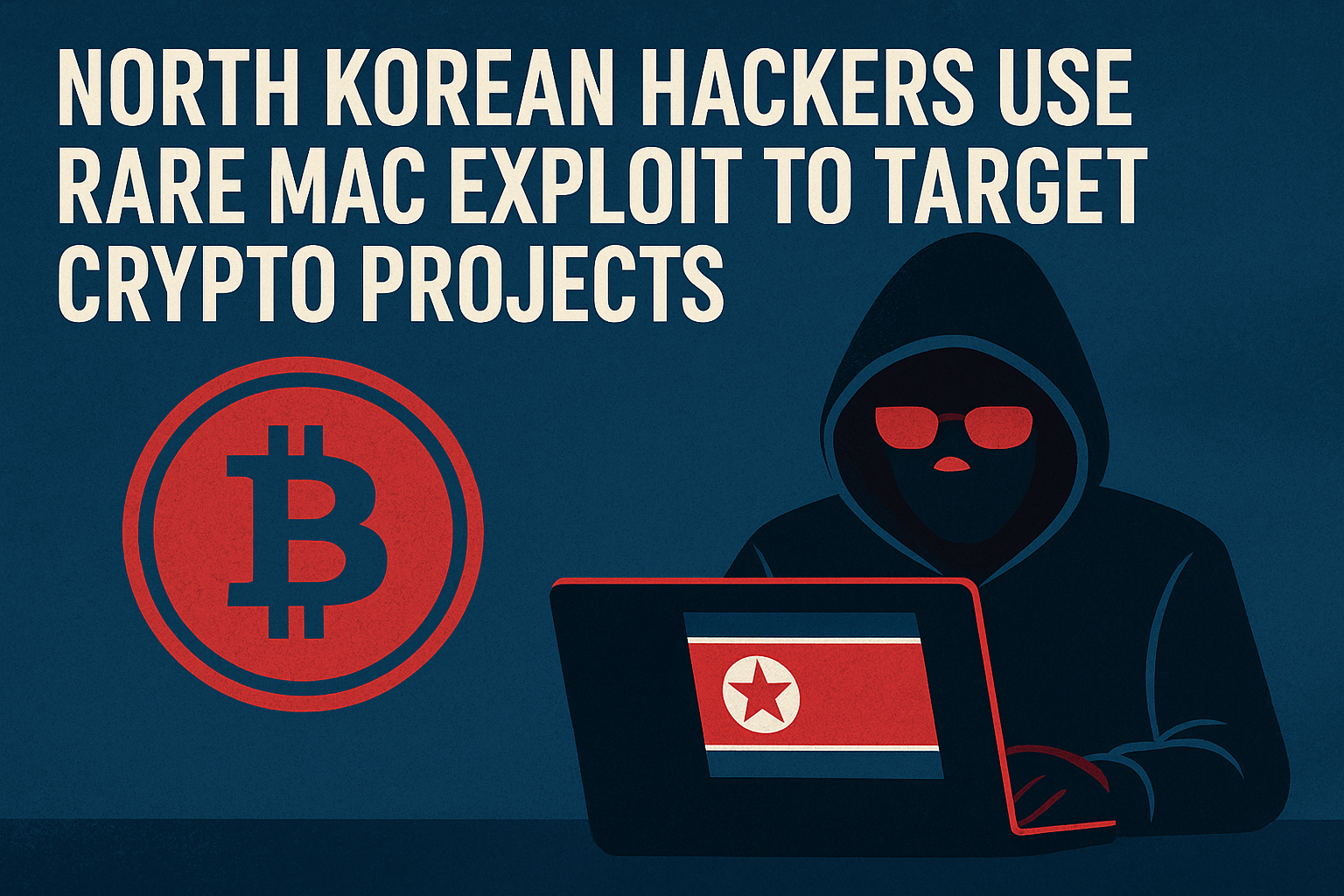
North Korean Malware Hits Macs
In a startling development, North Korean state-sponsored hackers have deployed a sophisticated malware campaign targeting cryptocurrency companies — this time using Mac computers as the primary attack vector. A detailed investigation by cybersecurity firm Sentinel Labs reveals that this new malware strain exploits weaknesses in Apple’s memory protection systems and uses a rare programming language, Nim, to evade detection.
This campaign shows that macOS is no longer the “safe zone” it was once believed to be. The malware is capable of bypassing standard Apple protections, installing a payload that can silently steal sensitive data, including browser-stored credentials and crypto wallet information.
The attackers typically pose as trusted individuals on Telegram, initiating conversation and later pushing targets to install a fake Zoom update. Once the victim downloads and opens the file — thinking it’s a legitimate update — the malware is silently deployed.
Nimdoor Malware Targets Crypto
The payload in question installs a malware family dubbed Nimdoor, built specifically to operate on Mac computers. Nimdoor’s purpose? To infiltrate systems and steal cryptocurrency wallet credentials and browser-stored passwords. Researchers highlighted that the malware is written in Nim, a relatively obscure programming language that can compile code for Windows, Linux, and macOS with little to no modification.
This multi-platform capability is one of the reasons Nim is gaining traction among cybercriminals. Its ability to produce standalone executables makes it harder for antivirus solutions to detect or flag the malware. Additionally, Nim compiles quickly, and its binaries often go unnoticed in traditional endpoint protection systems.
Nimdoor’s functionality includes:
- Silent information gathering
- System-level data extraction
- Telegram encrypted data theft
- Browser password retrieval
- Clipboard monitoring and keylogging
- Timed execution to avoid detection
One especially clever feature is a delay mechanism — the malware waits ten minutes before activation to avoid triggering security scans that typically analyze software right after execution.
Telegram, Zoom, and Social Lures
The infection process begins with social engineering, a classic method in the playbook of North Korea’s cyber warfare teams, particularly groups like BlueNoroff and Lazarus. In this campaign, victims are approached on Telegram, a platform widely used in the crypto community for project communication and investor updates.
Once rapport is built, the attacker proposes a fake Zoom meeting, sharing what appears to be a routine update file. However, it’s a cleverly disguised piece of malware. Once the file is executed, it unleashes Nimdoor, and the machine is compromised.
This method, while not new, has evolved. Instead of using phishing emails or malicious links, attackers are now leveraging encrypted messaging apps and common business practices (like Zoom calls) to gain trust. By shifting to social apps, they sidestep traditional email-based detection systems.
One alarming capability of the malware is its ability to extract Telegram’s local encrypted databases and the associated decryption keys. This means even private messages and access tokens stored locally can be compromised.
CryptoBot and BlueNoroff Resurgence
Beyond Nimdoor, researchers also flagged the use of CryptoBot, a powerful full-featured infostealer. CryptoBot specializes in targeting browser-based crypto wallet extensions, clipboard data (where many users temporarily store wallet addresses), and login credentials.
This malware was linked to BlueNoroff, a North Korean hacking group previously identified by several international cybersecurity agencies as operating under the DPRK’s Reconnaissance General Bureau. BlueNoroff’s tactics include blending in with legitimate communication workflows, impersonating VC firms, and now leveraging Mac-specific exploits.
Their malware bypasses Apple’s memory protection features, allowing it to inject payloads directly into memory without being flagged. This is a serious evolution in malware strategy on macOS, historically considered safer than Windows-based systems.
Huntress, another security firm, corroborated this in their June report, stating that the malware used in these attacks could:
- Log keystrokes
- Record screens
- Retrieve clipboard data
- Exfiltrate cryptocurrency wallet information
- Install persistent backdoors
Macs Are No Longer Immune
The popular myth that “Macs don’t get viruses” is becoming increasingly dangerous. In fact, as Sentinel Labs pointed out, macOS has now become a top target for state-sponsored cybercrime, particularly for financially motivated operations like crypto theft.
What makes this campaign more dangerous is the multi-pronged approach: technical sophistication, novel programming languages like Nim, and strategic social engineering to lower user defenses. And while users may feel safer on Macs, their security depends entirely on awareness and behavior.
Moreover, the cybercriminals’ use of multi-platform malware means they can launch broader attacks, targeting developers, project leaders, and investors across all major operating systems with one codebase.
Adding to the risk, blockchain security firm SlowMist recently flagged dozens of fake Firefox extensions aimed at stealing crypto wallet credentials. This aligns with the DPRK strategy of exploiting not just endpoint vulnerabilities, but also browser ecosystems and plugin architectures.
How to Protect Your Crypto
Given the growing sophistication of such malware campaigns, users — especially those involved in crypto projects or holding significant digital assets — must take active measures to protect themselves:
- Avoid Downloading Files from Unknown Sources: Even if the sender seems trustworthy, verify independently.
- Use Hardware Wallets: Keep funds off browser-based wallets whenever possible.
- Enable Multi-Factor Authentication (MFA): Especially for messaging apps and wallets.
- Install Security Updates Promptly: Outdated systems are easier targets.
- Use Behavior-Based Antivirus Software: Traditional scanners may not detect Nim-based malware.
- Check File Signatures: Verify Zoom or other software installers come from official sources.
- Be Skeptical of Sudden Meetings or File Requests: Especially if they involve crypto-related discussions.
Final Thoughts
The cyber threat landscape is evolving quickly, with state-sponsored attackers like North Korea deploying advanced malware tailored for platforms that were once considered secure. The use of Nim-based Mac malware targeting crypto wallets is a wake-up call for the digital asset ecosystem.
As blockchain adoption grows and digital assets become increasingly mainstream, the sophistication of attackers will grow in parallel. For those operating in the crypto world — developers, investors, project founders — cybersecurity is no longer optional.
Stay alert. Stay skeptical. And never assume your system is safe just because you use a Mac.