 qerranews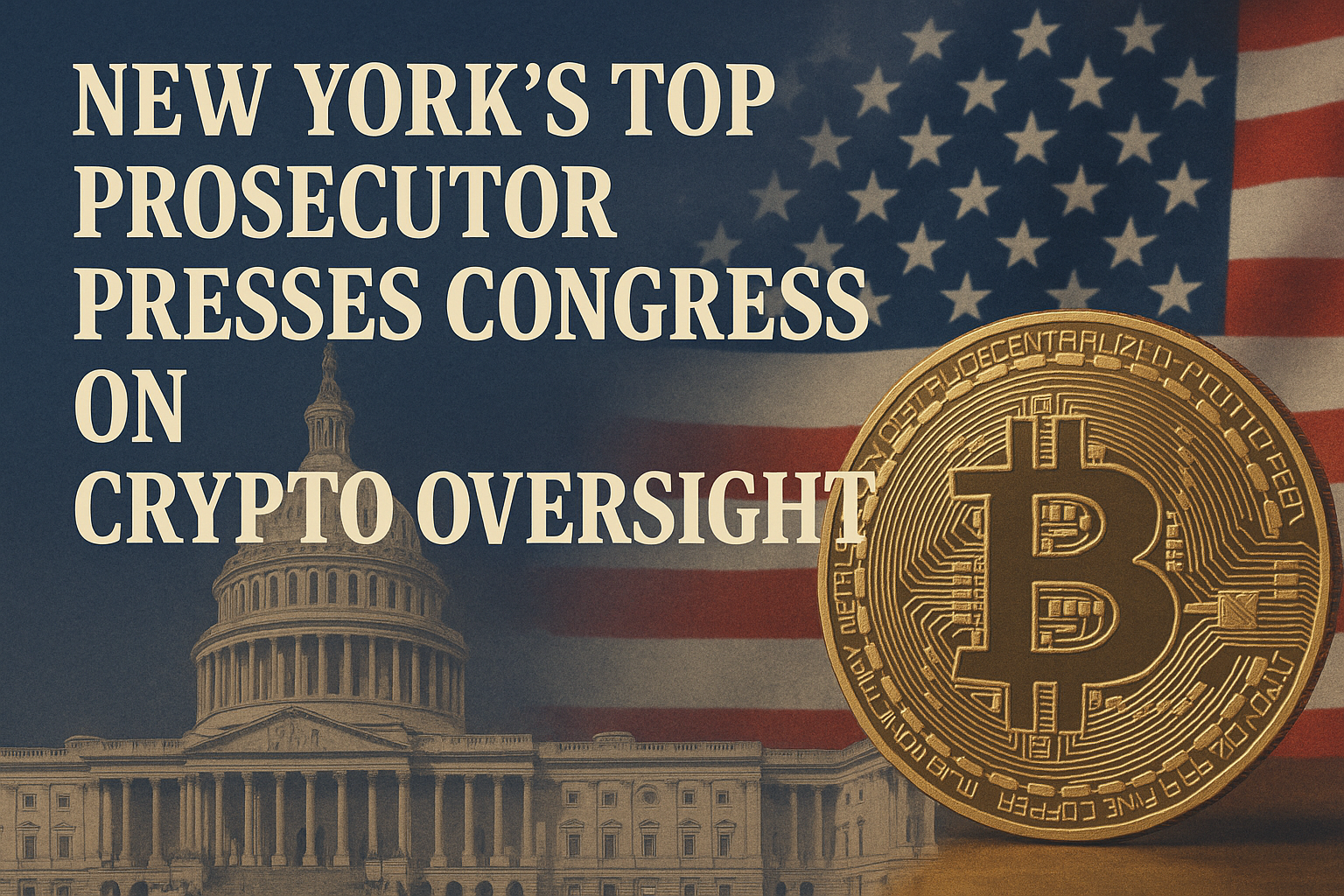
Letitia James Challenges Crypto Bills
New York Attorney General Letitia James has stepped into the national spotlight once again—this time with a strong warning for Congress. In a detailed letter sent on Tuesday, she criticized the current versions of the STABLE Act and GENIUS Act, both aimed at regulating stablecoins. According to James, these proposals fall dangerously short in protecting American investors and the broader financial system.
James, who has previously taken tough stances on the crypto industry, argued that the legislation lacks the kind of robust consumer protections and systemic safeguards that should be mandatory for financial instruments functioning like traditional banking tools.
“We urge Congress to take the time necessary to draft legislation that will enhance innovation while protecting our banking system,” she wrote.
Her critique extends beyond technicalities—she’s warning against systemic risk, unchecked anonymity in transactions, and the increasing threat to traditional banking institutions from emerging stablecoin entities.
Treat Issuers Like Banks
At the heart of James’ criticism is a push for stablecoin issuers to be regulated like banks. She argues that stablecoin platforms functionally perform similar roles to banks—holding user funds and enabling financial transactions—yet are not subject to comparable levels of oversight.
James emphasized that this regulatory imbalance could lead to serious systemic risks, particularly if stablecoin issuers operate without sufficient reserves, transparency, or insurance.
“Given that stablecoin issuers essentially function as banks, they should be subject to the same regulations in order to reduce systemic risk,” James stated.
Her demands include requiring Federal Deposit Insurance Corporation (FDIC) protection for stablecoin holdings. FDIC coverage has long served as a backstop to prevent bank runs and boost consumer confidence in traditional banking. Applying this to crypto, James argues, would provide crucial stability and trust in a volatile market.
Curbing Anonymous Transactions
Another pillar of James’ recommendations is the elimination of anonymous transactions, which she warns could facilitate fraud, money laundering, and national security threats. According to her letter, the current bills fail to address this vulnerability.
She recommends requiring digital identity verification technology for all stablecoin transactions. While such proposals may raise privacy concerns within the crypto community, James sees them as essential tools to combat illicit finance.
This aspect of regulation has been fiercely debated. Crypto advocates often highlight the need for user anonymity to preserve decentralization and freedom from government surveillance. But James argues that unchecked anonymity is simply too risky at scale.
Protecting Community Banks Nationwide
James also pointed out an often-overlooked consequence of unchecked stablecoin growth: the impact on small and regional banks. According to her, stablecoin issuers may gain an “undeserved advantage” over community banks, many of which are already in decline.
These banks serve as financial backbones for rural and underserved communities. Without proper guardrails, stablecoin expansion could exacerbate inequality in financial services and diminish the roles of local banking institutions.
“We should not allow emerging technologies to accelerate the extinction of institutions that provide vital services to everyday Americans,” James warned.
James Rejects CLARITY Act
This isn’t the first time New York’s top legal officer has voiced strong objections to crypto regulation. Last month, she also criticized the Digital Asset Market Structure and Investor Protection (CLARITY) Act, saying it fails to prevent fraud and allows technology-specific loopholes.
James expressed concern that the CLARITY Act undermines nearly 100 years of securities law and could legitimize bad actors in the digital asset space.
Her arguments reinforce a broader theme in her approach: that crypto regulation should not be an exception to existing financial standards but rather an extension of them.
Proponents Defend Pending Legislation
Despite James’ concerns, the GENIUS Act has already passed the Senate with bipartisan support, and the STABLE Act is advancing in the House. Supporters like Senators Kirsten Gillibrand and Bill Hagerty argue that these bills are a step forward in providing consumer protection, promoting responsible innovation, and maintaining U.S. dollar dominance.
They claim the legislation includes mechanisms for compliance, innovation sandboxes, and frameworks to draw institutional investment to digital assets. But James warns that without proper amendments, these bills could do more harm than good.
A Pattern of Crypto Criticism
James’ actions are consistent with her previous positions. In April 2025, she urged Congress to ban retirement fund investments in crypto, stating that such assets have “no intrinsic value.” Her office has also filed lawsuits against multiple crypto firms and exchanges, signaling a broader strategy to rein in the sector before it gets too large to regulate effectively.
Whether these measures are seen as protective or overreaching depends on where one stands in the crypto debate. Still, James has proven to be one of the most vocal and active regulators when it comes to digital assets.
Will Congress Listen?
As the U.S. gears up to finalize its approach to crypto regulation in 2025, Letitia James’ sharp critique could become a major influence. Her emphasis on FDIC protections, identity transparency, and community banking support reflects a vision of digital finance that mirrors traditional systems—structured, accountable, and heavily regulated.
But the clock is ticking. With the GENIUS Act already through the Senate, the window for significant amendments may be closing. Whether Congress chooses to heed James’ warning—or push forward in the name of innovation—will have long-term consequences for both the U.S. financial system and global crypto leadership.
Conclusion
New York Attorney General Letitia James continues to press for rigorous crypto regulation, insisting that stablecoin issuers must be held to the same standards as banks. From requiring FDIC insurance to banning anonymous transactions, her stance reflects a clear desire for stability and accountability in an industry prone to volatility.
As Congress debates the next steps for the GENIUS and STABLE Acts, the inclusion—or exclusion—of James’ recommendations could reshape the future of digital finance in America.